
How to Make an English Cottage Bed
An English cottage bed is not about precision. It is about layers that soften each other, materials that age gently, and a feeling that the bed belongs to the house rather than the moment.
Nothing should look brand new.
Nothing should feel overly arranged.
The bed should appear as though it has been made this way for years — adjusted slightly each morning, lived with carefully, and returned to at night without ceremony.
Below is an exact method, step by step, using a small number of pieces chosen for texture, proportion, and calm.
Step One: Start with White Sheets
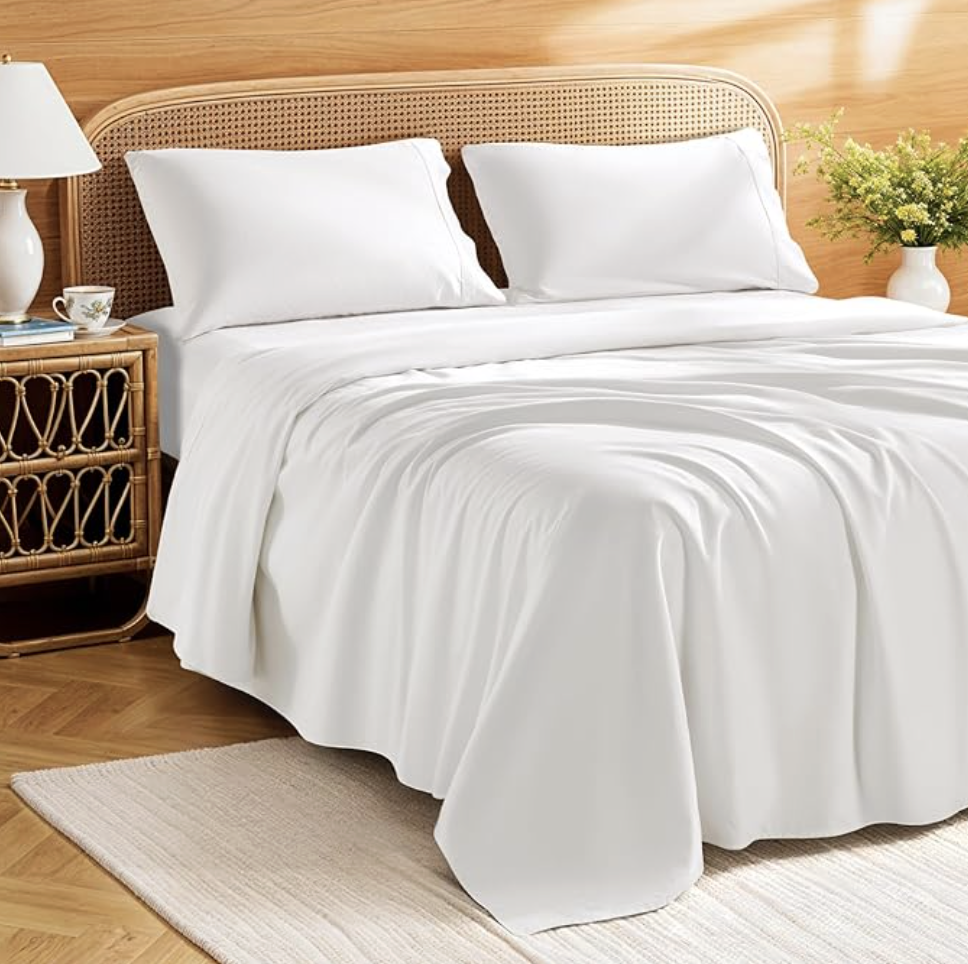
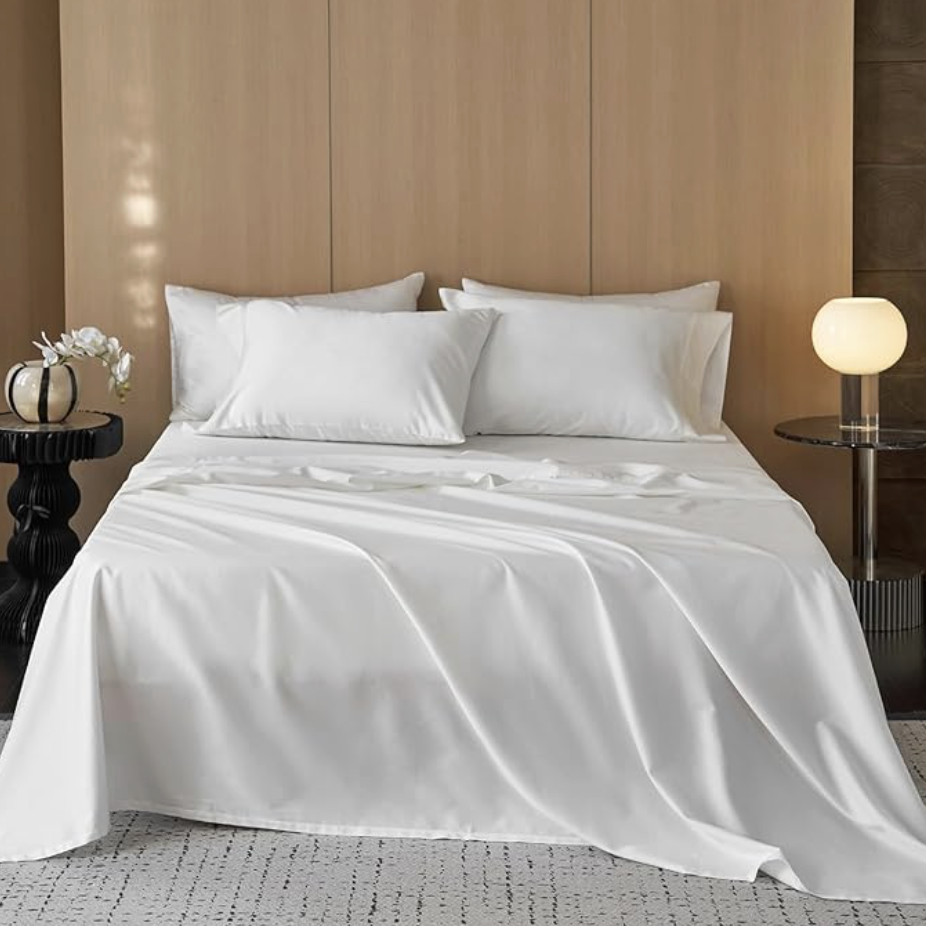
White sheets are the quiet foundation of a cottage bed. They create lightness and allow every other texture to settle properly.
Choose:
plain white cotton sheets
breathable, crisp rather than silky
nothing decorative
Pair them with white pillowcases and standard pillow inserts. These should disappear into the bed rather than draw attention.
If you’re unsure what weave to choose, Percale and Sateen: A Practical Distinction explains this clearly and simply.
Here are some of my favorites:
100% Egyptian Cotton Sheets, 1800 Thread Count — Sateen Weave Sheets Set, $169.99
100% Natural Cotton Sheets Sateen Weave, $49.99

Step Two: Add Waffle Weave Euro Shams
Behind the sleeping pillows, place two waffle weave Euro shams. This is where texture first appears.
I’ve tried many, but these are tried and true, durable, and the texture is lovely - I use these in all my bedrooms and the guest cottage as well:
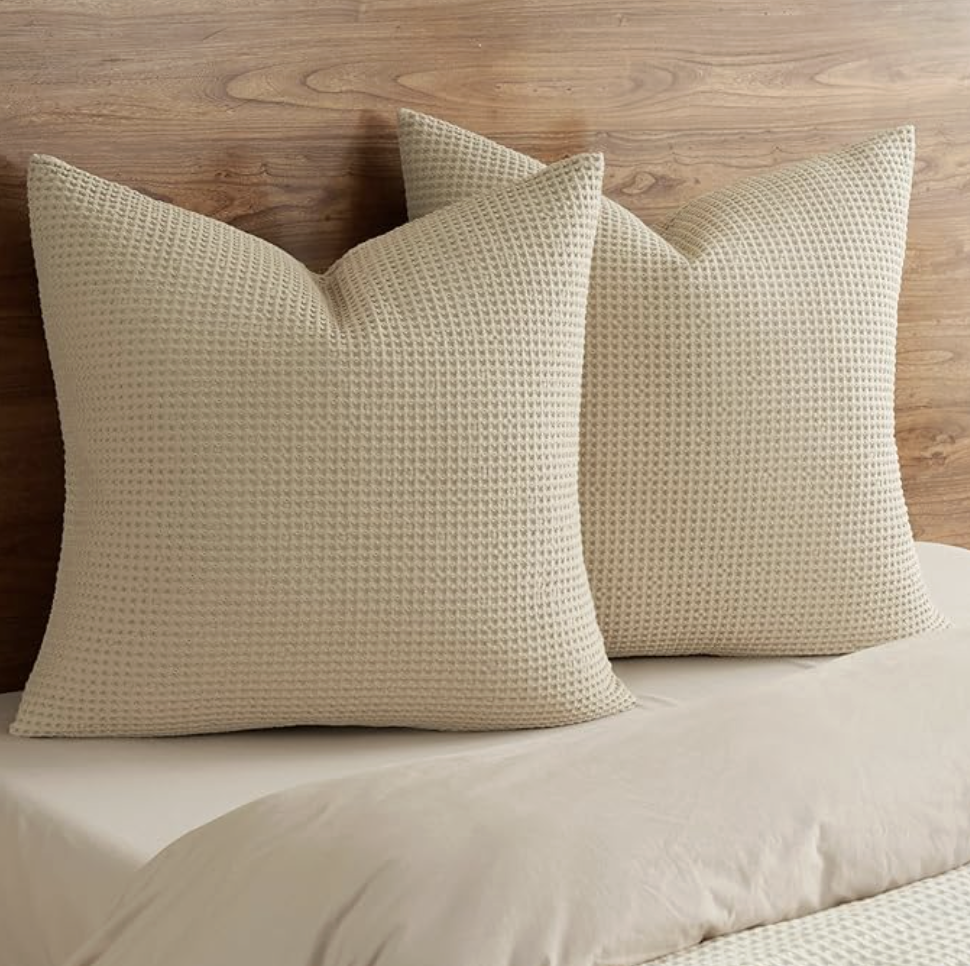
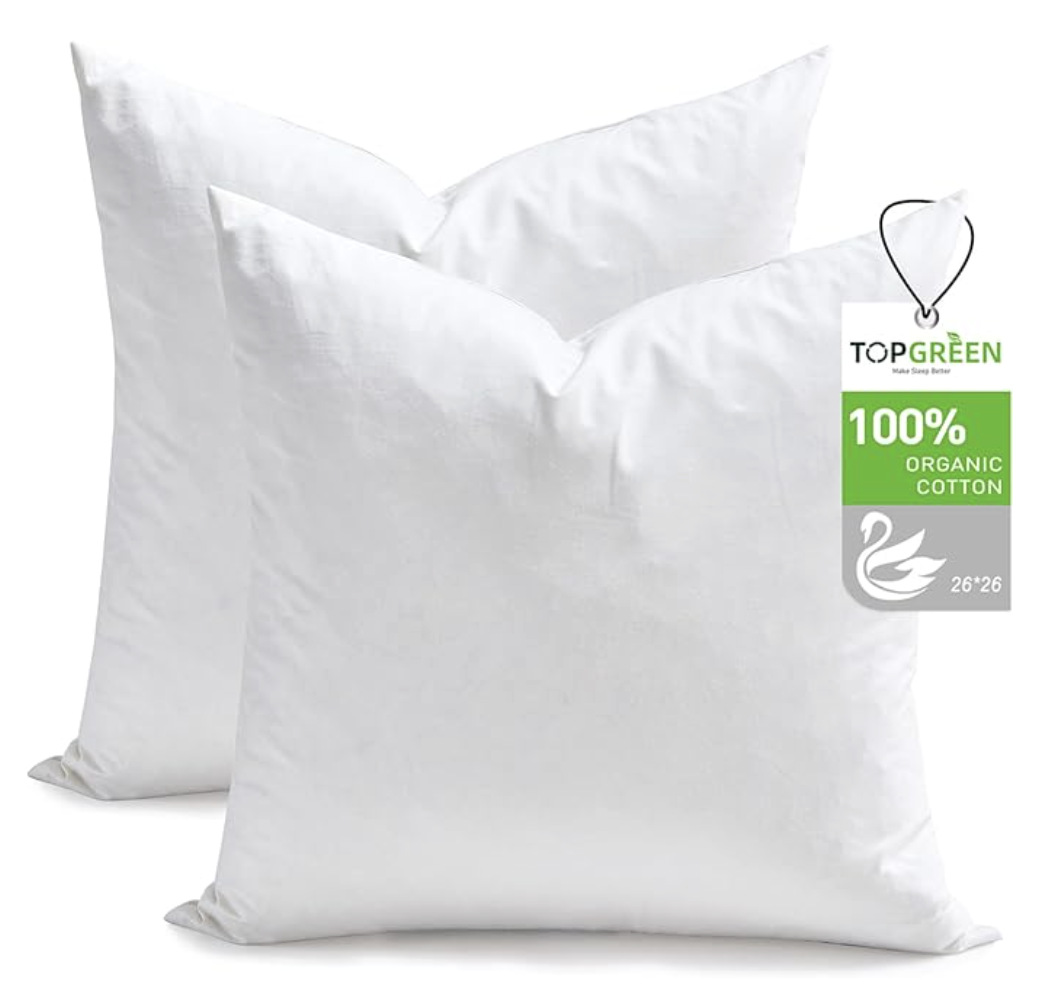
These pillows should stand gently, offering structure without formality. They set the tone for the entire bed.
Step Three: Layer the Duvet
The duvet is the emotional center of the bed.
For an English cottage feel, choose a duvet cover that suggests time — a muted floral, a soft pattern, something that feels inherited rather than selected.
These are two of my absolute favorites:
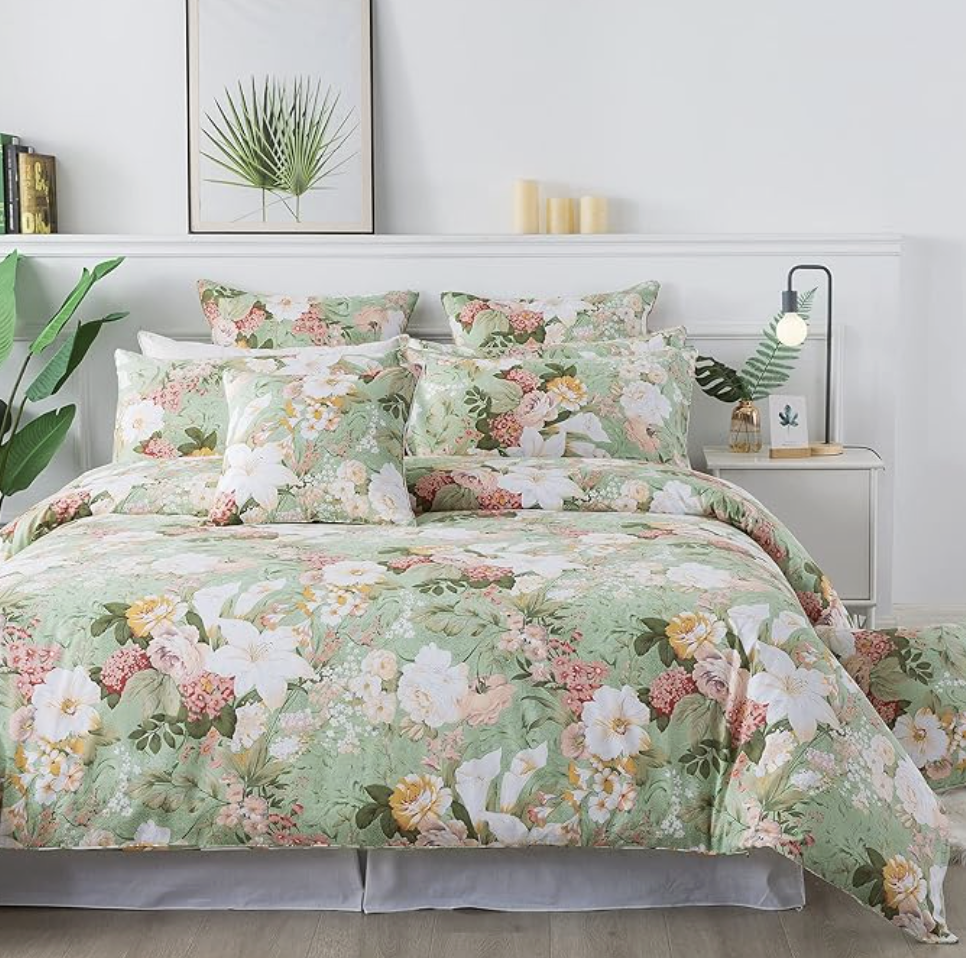
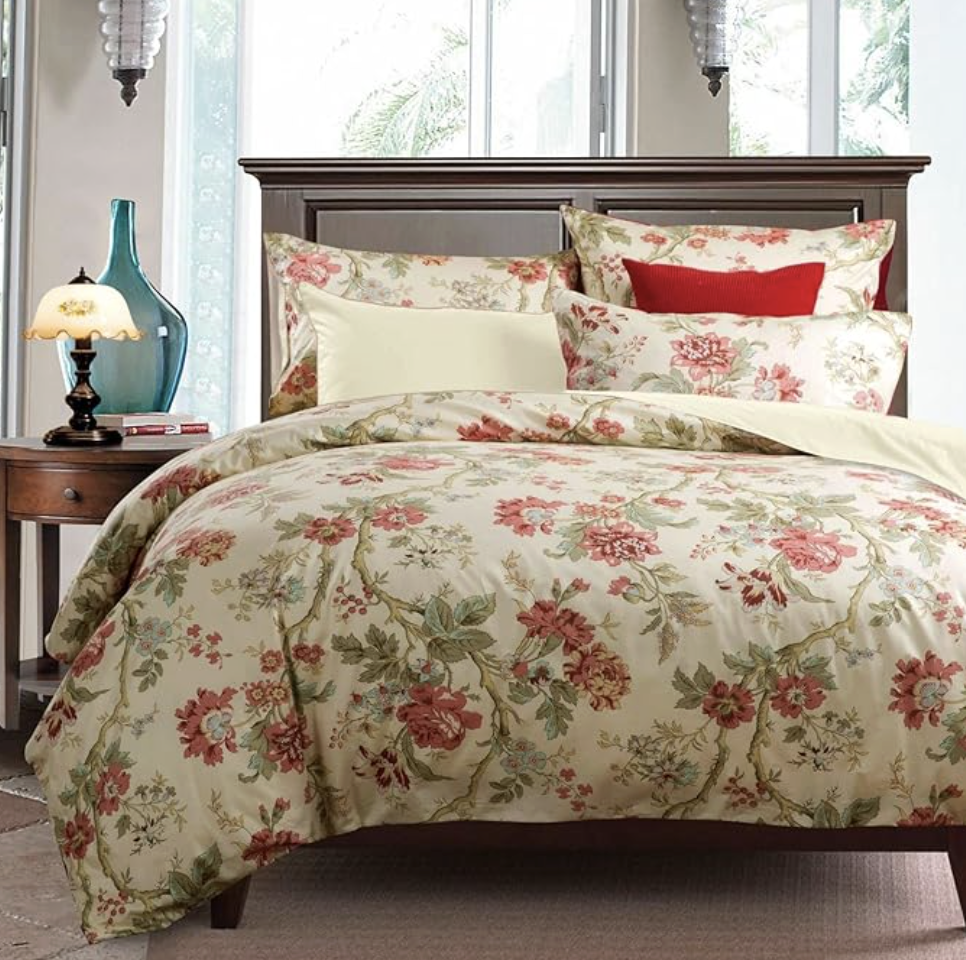
Inside the cover, use a lightweight or all-season duvet insert. Avoid anything overly lofty — cottage beds feel generous, not bulky.
Pull the duvet up just below the Euro shams so each layer remains visible.
If you tend to sleep warm, On Duvets for Those Who Sleep Warm may be helpful here.
Step Four: Add a Matching Waffle Throw
At the foot of the bed, fold a throw loosely, letting the edges fall naturally.
Your choice:
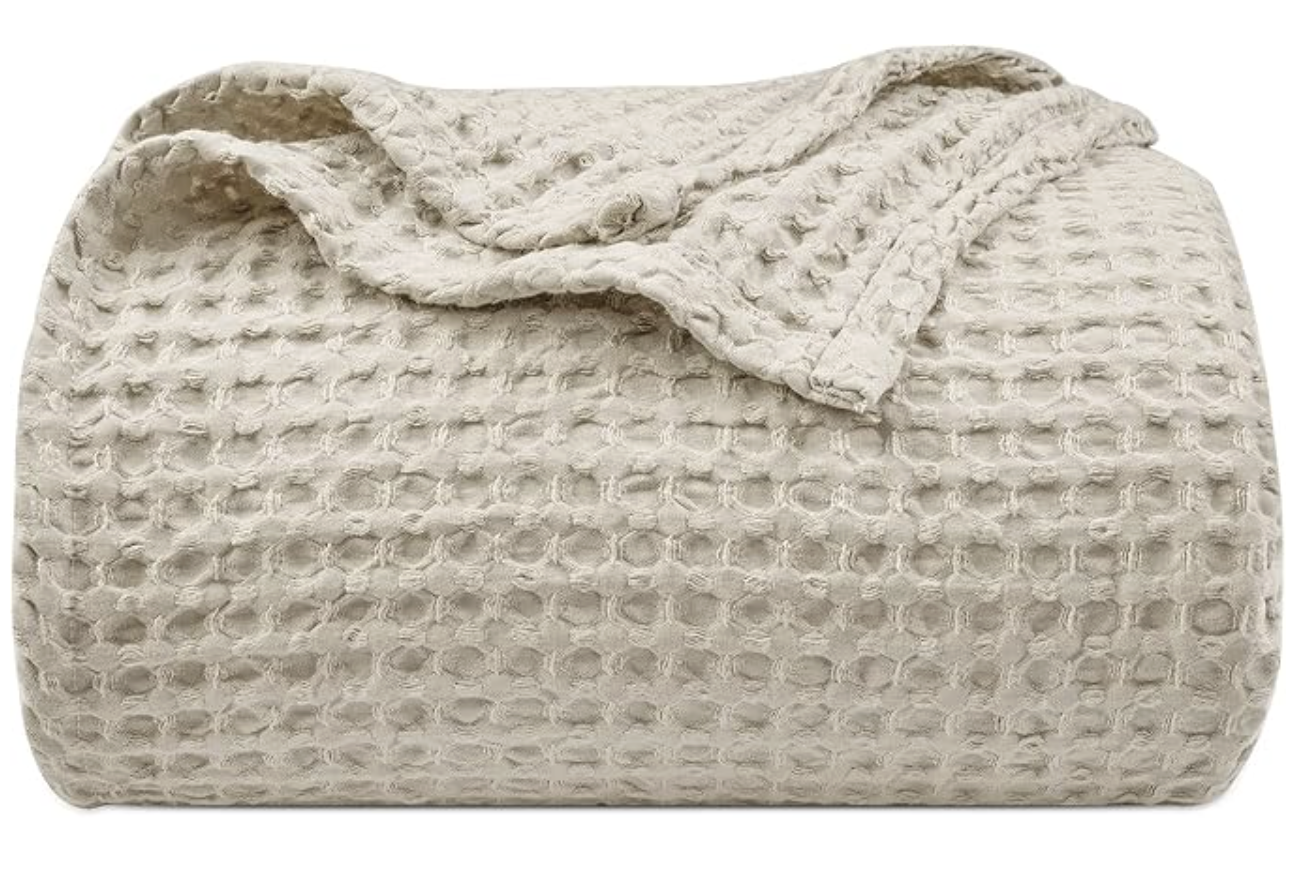
This mirrors the texture of the Euro shams and quietly ties the bed together. Avoid sharp folds — a little softness matters.
Step Five: Introduce Two Textured Throw Pillows
In front of the sleeping pillows, add two square throw pillows. These should feel tactile — something you would actually lean into while reading.
For these, feel free to get creative. Checkers, plaid, complementing floral patterns could all work. I love a nice solid so I usually go with a textured solid like the pillow below:
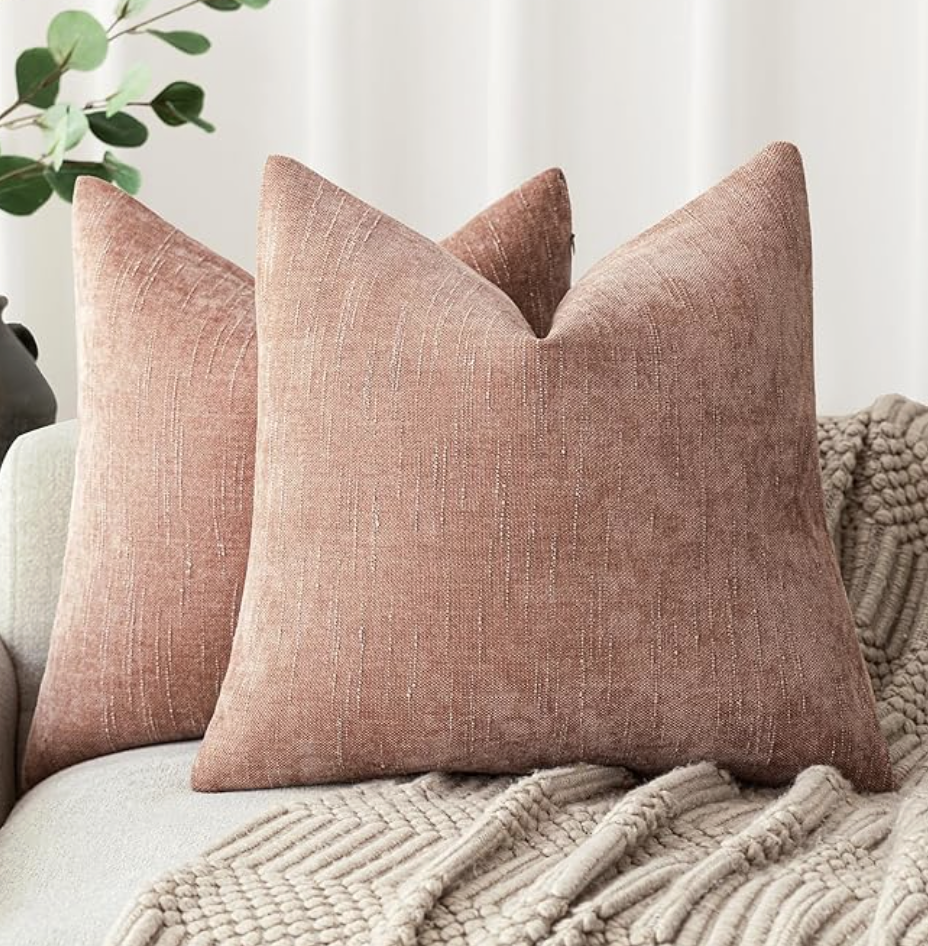
They bring warmth and a subtle romantic note without becoming decorative for decoration’s sake.
Step Six: Finish with One Round Pillow
A single round or cylindrical pillow placed at the very front completes the bed.
This is the detail that makes the arrangement feel old-world and intentional — a quiet signature rather than a flourish.
Your choice:
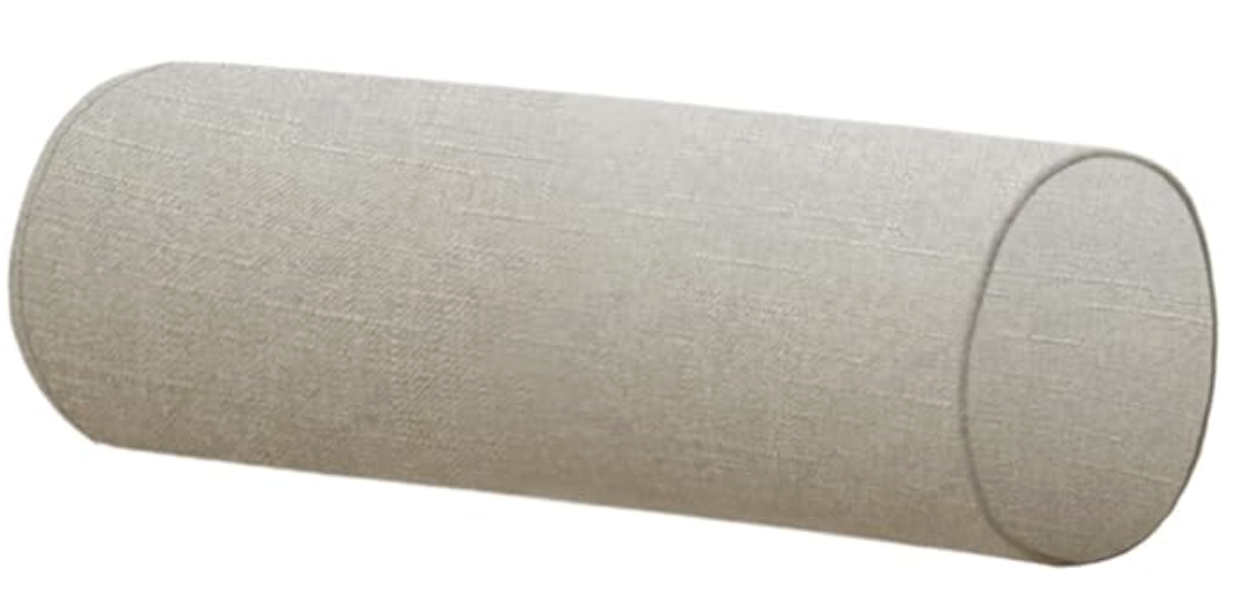
Place it casually. Precision undermines the effect.
How the Bed Should Feel
When finished, the bed should feel:
layered, but not crowded
soft, but not collapsed
composed, but not styled
Nothing should feel new in the wrong way. Everything should feel chosen.
A Final Thought
An English cottage bed is not meant to impress. It is meant to receive you — at the end of the day, in the early morning light, or during an unplanned afternoon rest.
Choose fewer pieces.
Choose them carefully.
Let them age alongside you.
That is enough.
