
When a Bed Feels Adequate, but Not Quite Right
This post contains affiliate links. As an Amazon Associate, I earn from qualifying purchases.
There is a particular dissatisfaction that comes from a bed that is almost right.
You sleep.
You rest.
Nothing is technically wrong.
And yet — the bed never quite invites you. You don’t linger. You adjust the pillows too often. You wake feeling finished rather than restored.
This feeling is common, and it is rarely solved by replacing everything.
More often, it comes down to one missing layer.
Why “Adequate” Beds Disappoint
Beds tend to feel adequate when they meet basic requirements but lack generosity.
They are:
firm enough, but not yielding
warm enough, but not breathable
tidy, but not comforting
This is not a failure of taste. It is usually a failure of layering.
A good bed is built, not bought.
Before You Replace the Mattress
Mattresses are expensive, disruptive, and often blamed prematurely.
Before changing the foundation, consider whether the issue is:
surface softness
temperature regulation
pressure relief
tactile comfort
If the bed feels flat, unforgiving, or slightly hostile, a mattress topper is often the missing piece.
The Quiet Case for a Mattress Topper
A mattress topper changes how the bed receives you.
It adds:
forgiveness
subtle softness
insulation without bulk
Importantly, it does so without erasing what already works.
A breathable, low-profile option
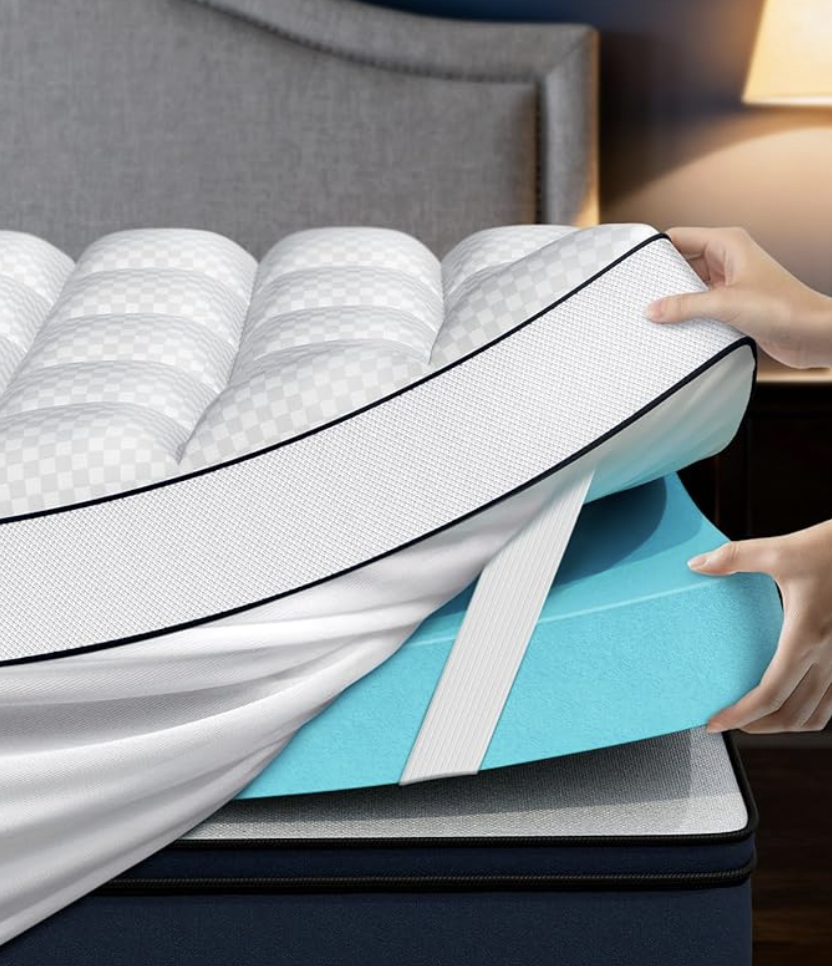
This type of topper improves comfort without swallowing you whole.
A more traditional, cushioned feel
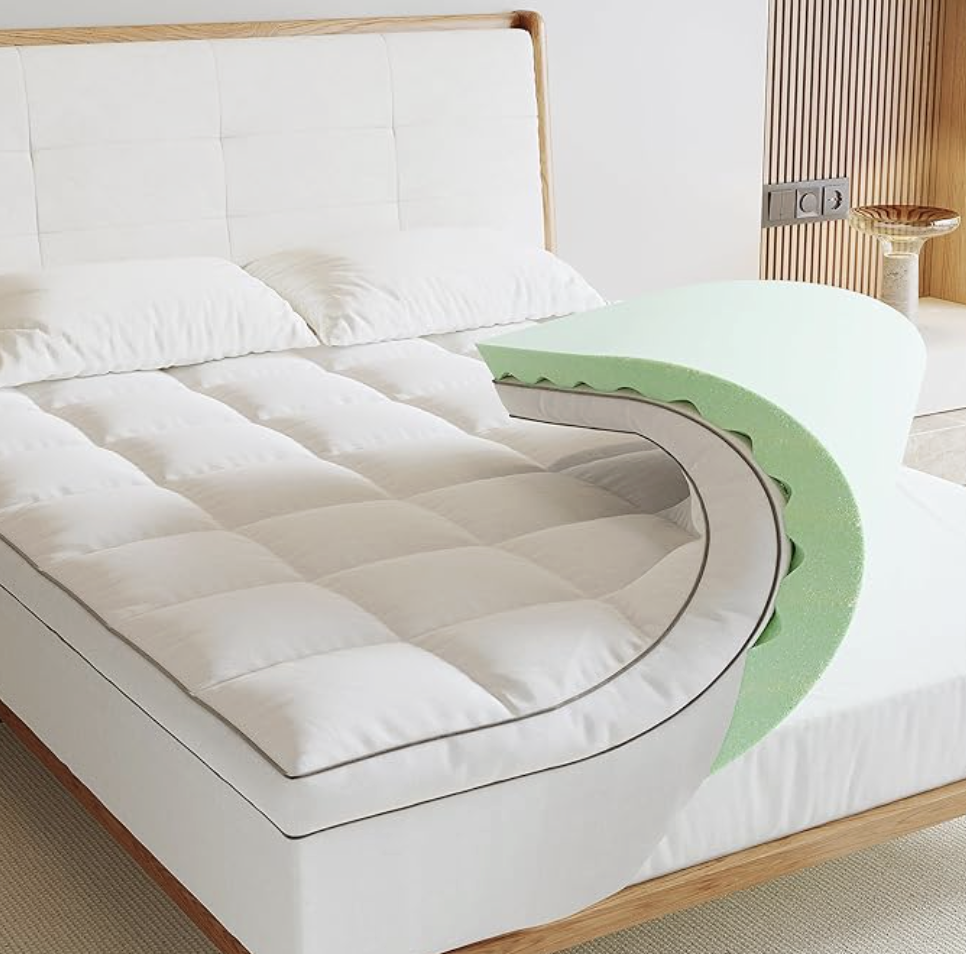
This works well for beds that feel too firm or emotionally cold.
Neither option requires commitment. Both can be folded away if needed.
Consider the Pillows (Often Overlooked)
Beds frequently fail at the head rather than the base.
If you are:
stacking pillows
folding them in half
waking with neck fatigue
the issue is likely support, not quantity.
A medium-support pillow with structure tends to resolve this quietly.
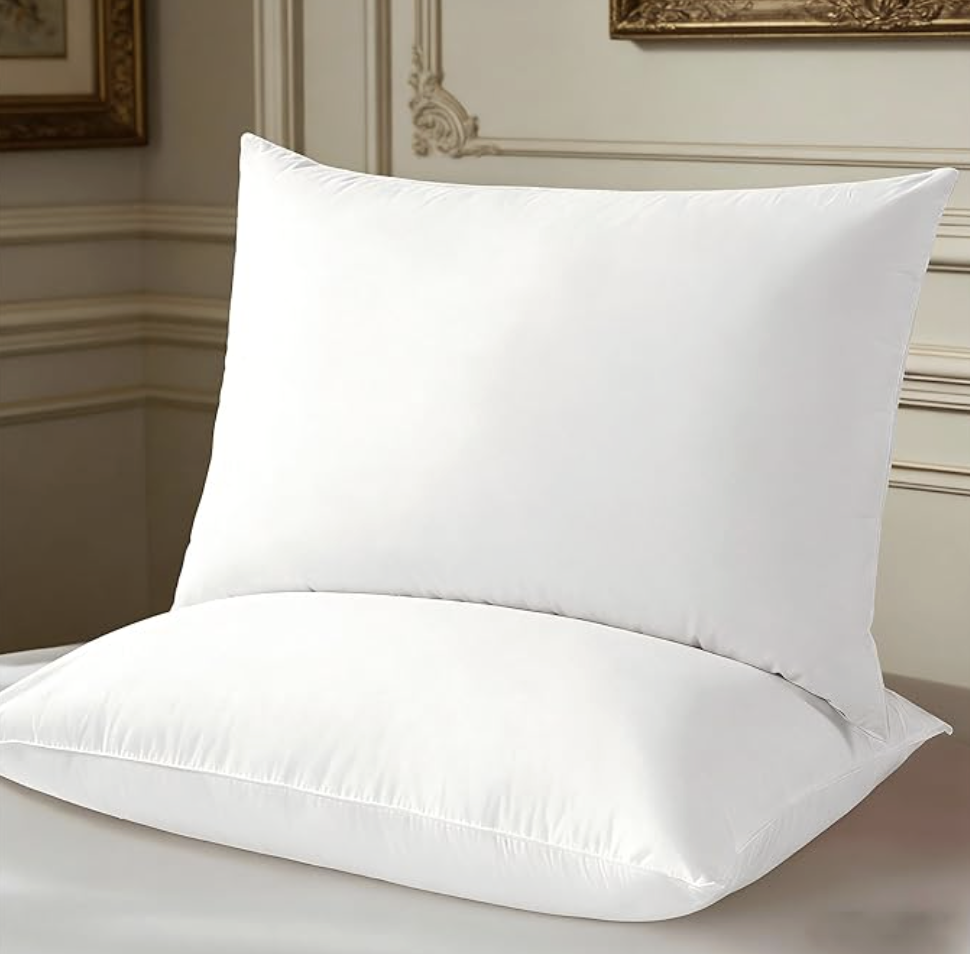
Two good pillows outperform four inadequate ones.
Texture Matters More Than We Admit
Sometimes the discomfort is not physical, but sensory.
Beds feel uninviting when:
sheets are too slick
fabrics feel synthetic
layers slide rather than settle
If this sounds familiar, Percale and Sateen: A Practical Distinction may help clarify which materials suit you best.
For those who sleep warm, On Duvets for Those Who Sleep Warm explores how insulation choices affect comfort more than most people realize.
When the Bed Still Feels Flat
If comfort improves but the bed still feels emotionally spare, consider composition rather than replacement.
Often, what’s missing is:
visual softness
a sense of enclosure
a signal that rest is allowed
Layered bedding, textured pillows, and thoughtful lighting matter more than matching sets.
How to Make an English Cottage Bed walks through this approach step by step.
A Small Diagnostic Question
Ask yourself this at night:
Do I want to get into this bed — or do I simply intend to sleep?
The difference matters.
A good bed does not merely support rest.
It invites it.
A Final Thought
Beds rarely need dramatic solutions.
They need:
one kinder surface
one better layer
one decision made carefully
When you address what is missing — rather than replacing what is adequate — the bed often reveals itself to have been waiting all along.
