
Percale and Sateen: A Practical Distinction
This post contains affiliate links. As an Amazon Associate, I earn from qualifying purchases.
Most people buy sheets the way they buy apples — by touch alone. Unfortunately, what feels agreeable in a shop rarely explains how fabric behaves at two in the morning.
The distinction between percale and sateen is not a matter of quality, but of intention.
Once understood, the choice becomes mercifully straightforward.
What the words actually mean
Both percale and sateen may be made from excellent cotton. The difference lies in the weave.
Percale is crisp, matte, and breathable.
Sateen is smooth, luminous, and warmer.
Neither is superior. Each serves a different sleeper.
Percale, for those who sleep warm
Percale is the fabric of hotels for a reason. It breathes, layers neatly, and remains cool against the skin.
It suits:
warm sleepers
those who dislike cling
anyone who values structure over softness
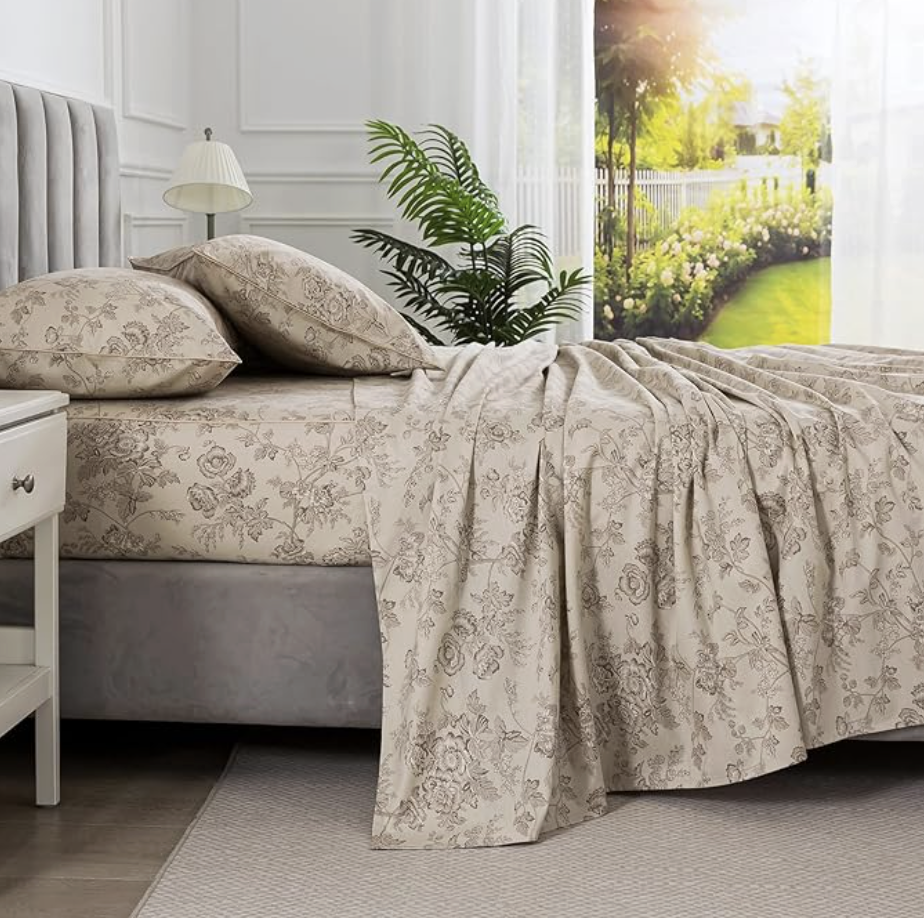
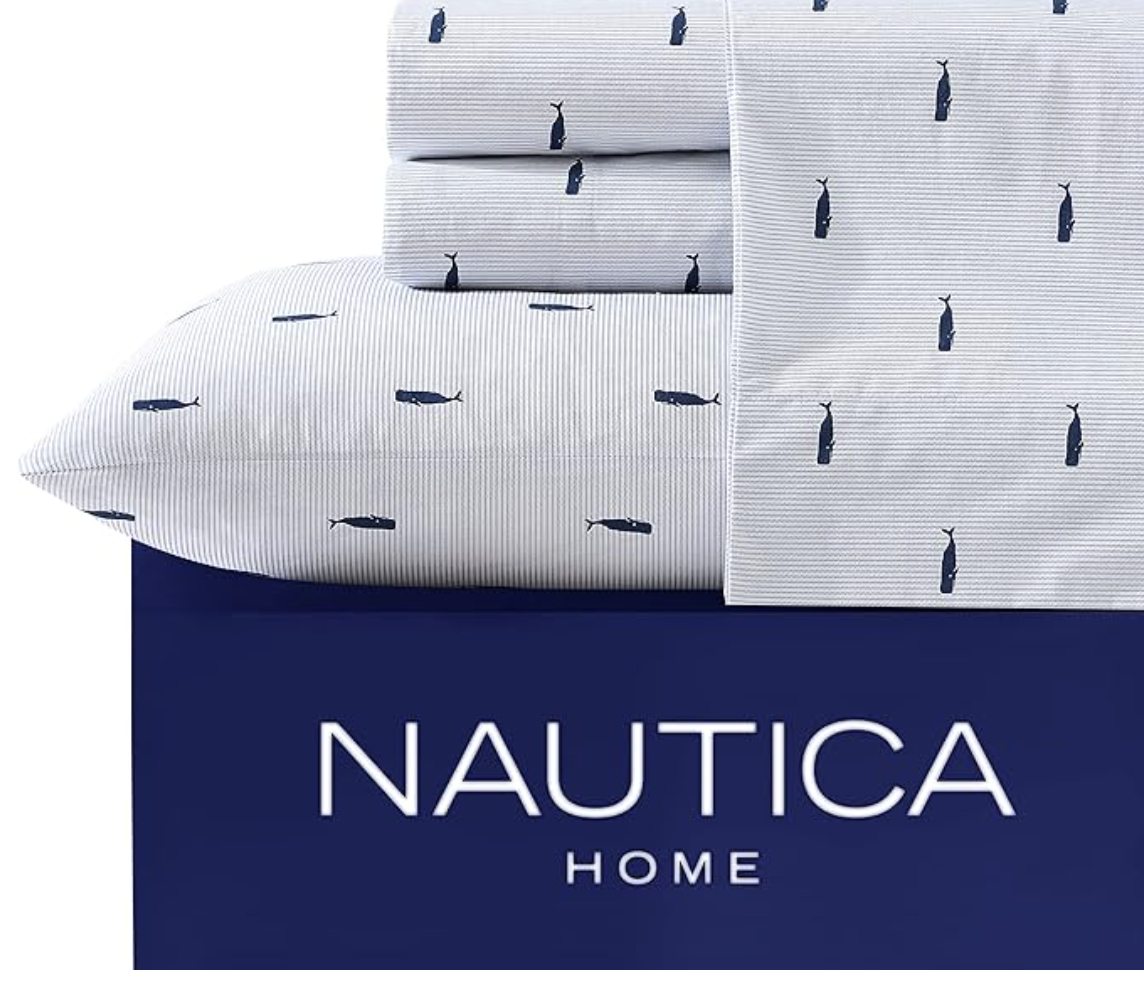
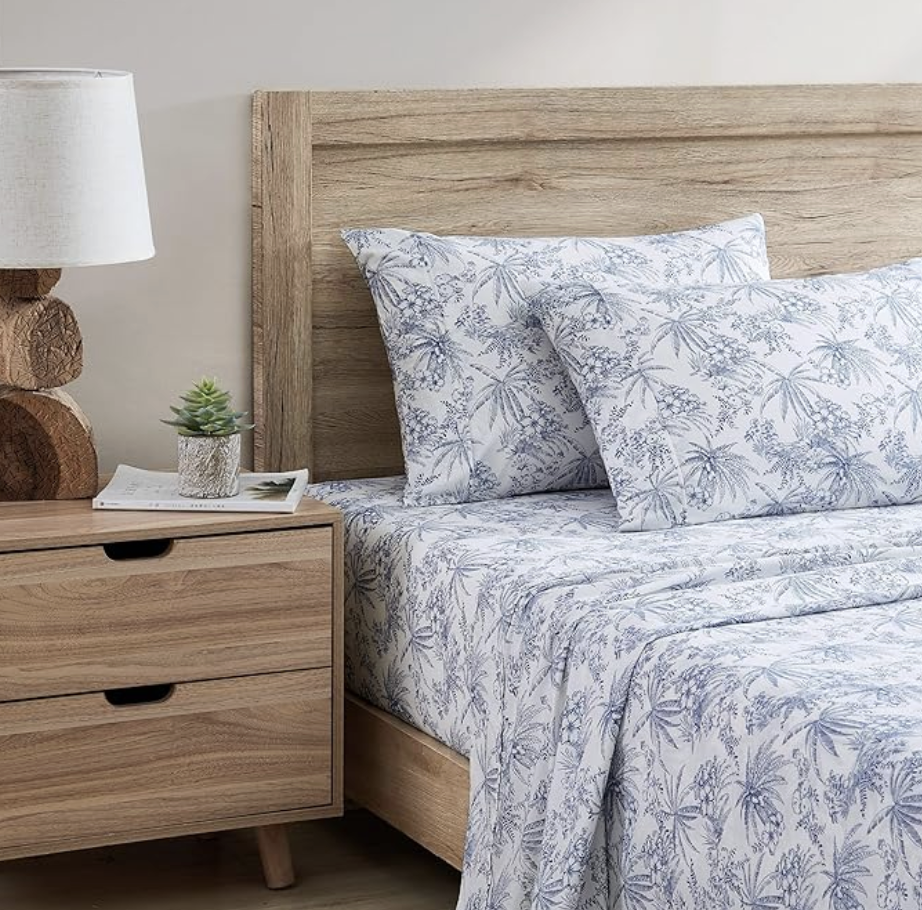
Some well-made percale sets:
Sateen, for those who run cold
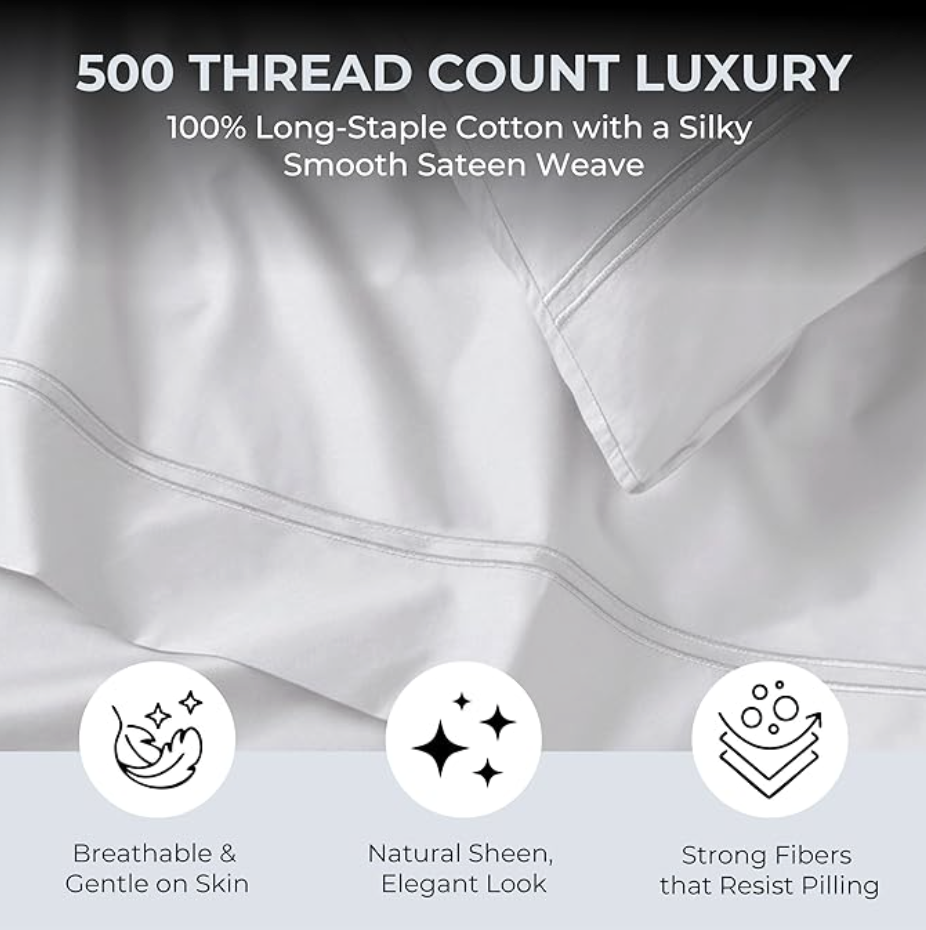
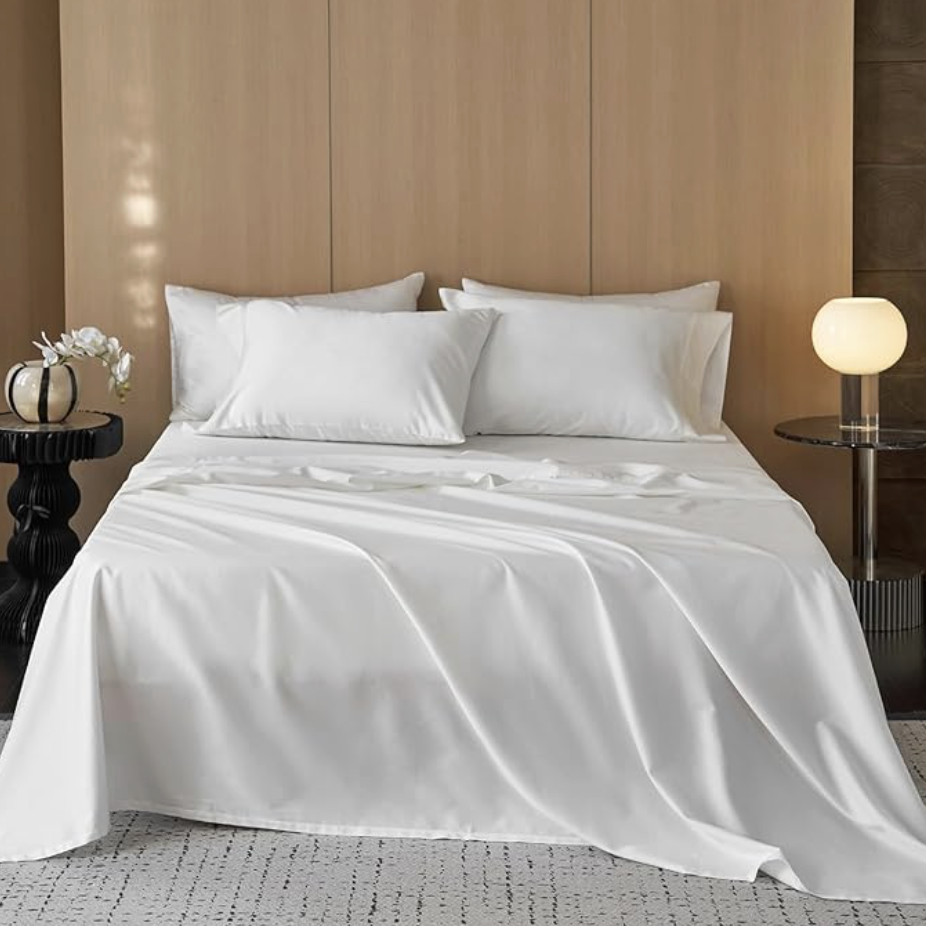
Sateen drapes beautifully and feels immediately indulgent. It is better suited to winter beds and those who seek warmth rather than air.
It suits:
cold sleepers
homes with little insulation
those who prefer softness above all else
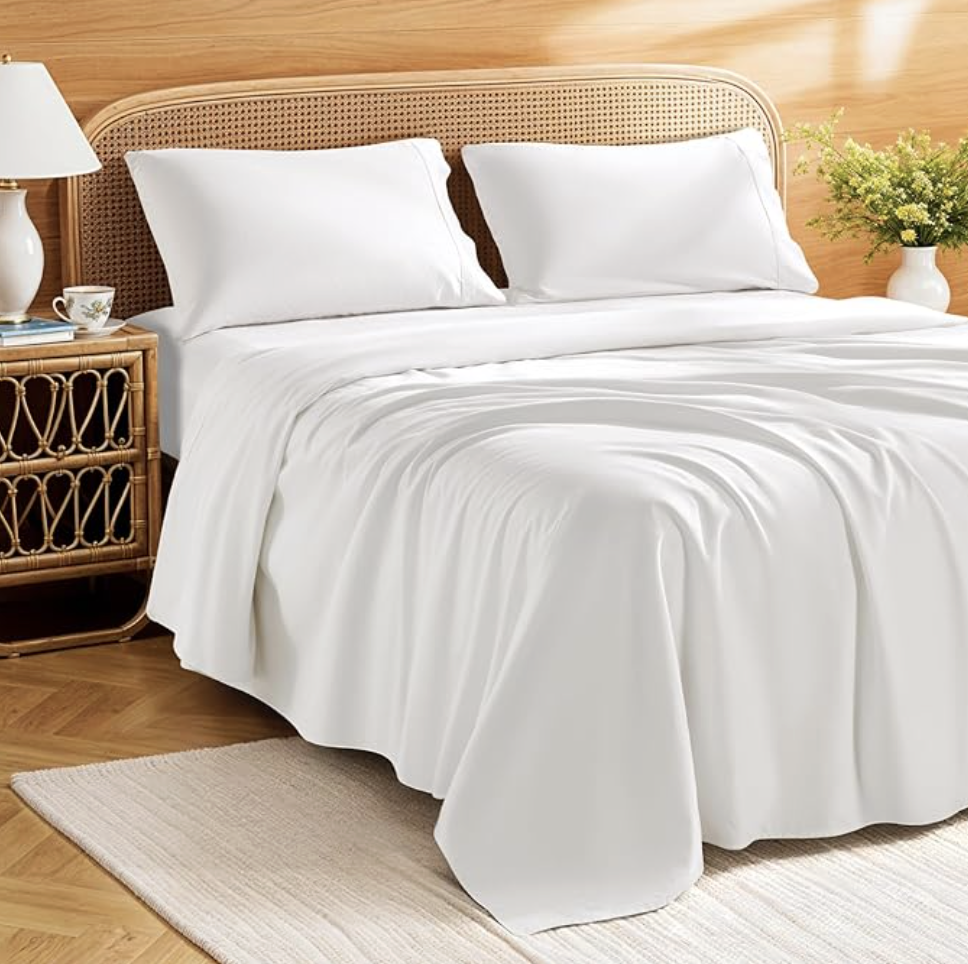
A reliable example:
On thread count
Ignore extremes.
Percale is best between 250–350.
Sateen performs well between 300–500.
Beyond that, airflow often suffers.
A common mistake
Many people pair a heavy duvet with sateen sheets and then conclude they “sleep hot.” In truth, the bedding is simply doing what it was designed to do.
If you sleep warm, begin with percale. Warmth can always be added later with blankets or a heavier insert.
Closing thought
Sheets are not decorative. They are functional objects that happen to be intimate.
When chosen correctly, they disappear — leaving only sleep.
(If your bed still feels unsettled, you may wish to read On Duvets for Those Who Sleep Warm.)
