
On Choosing Fewer Things, Carefully
This post contains affiliate links. As an Amazon Associate, I earn from qualifying purchases.
There is a particular fatigue that comes from owning too much — not because the things are bad, but because they ask for attention all at once.
Choosing fewer things is not about austerity. It is about relief. It is about deciding, in advance, what deserves to stay — and letting everything else quietly pass through.
A well-kept home is not empty. It is edited.
Below are a few objects that earn their place not by novelty, but by the way they quietly improve daily life.
A Teapot Worth Leaving Out
A teapot should feel calm in the hand and steady on the table. It should pour without drama and sit comfortably on the counter between uses.
One that balances utility and charm:
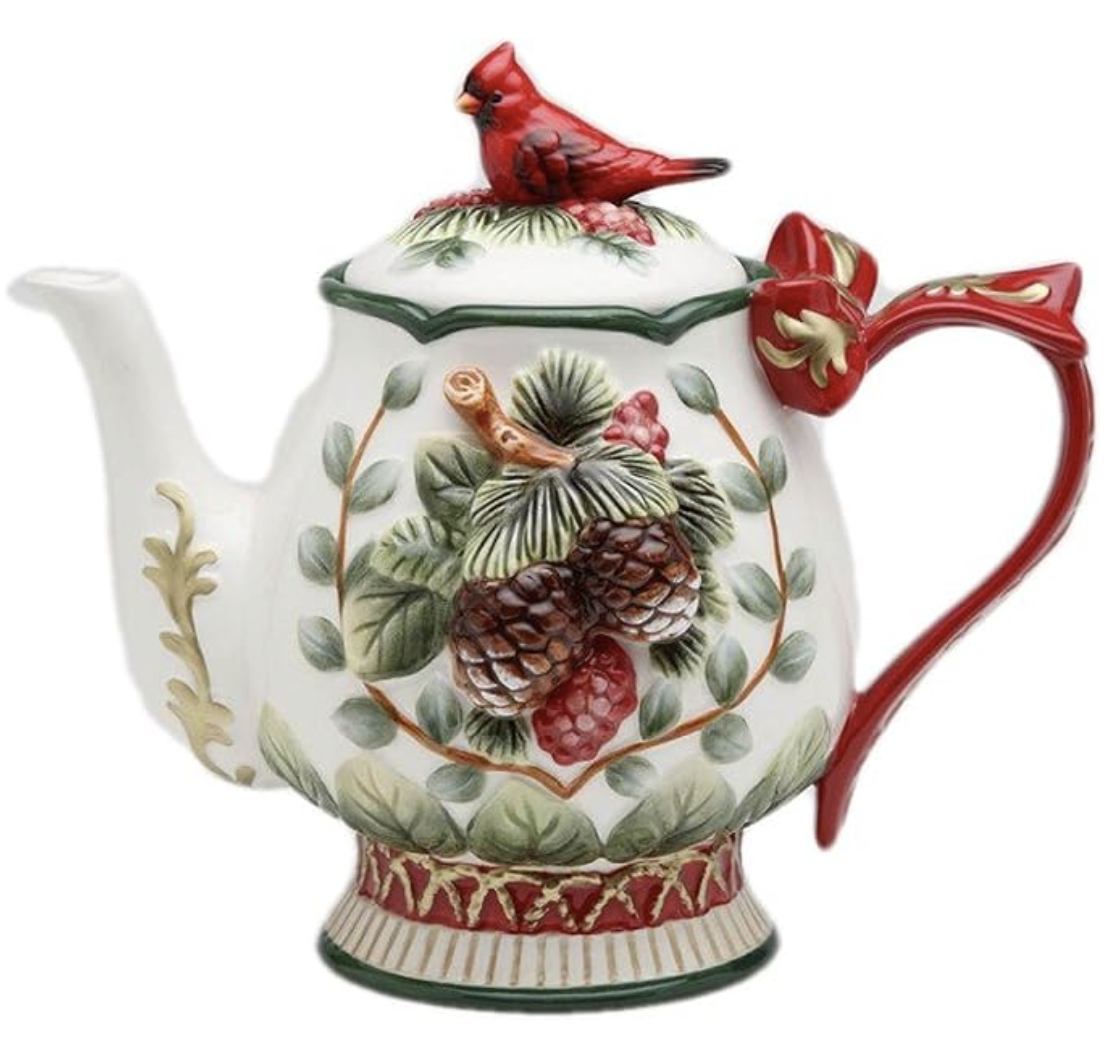
This is the sort of object that encourages a pause rather than demanding one.
If you keep only one, it should feel this way.
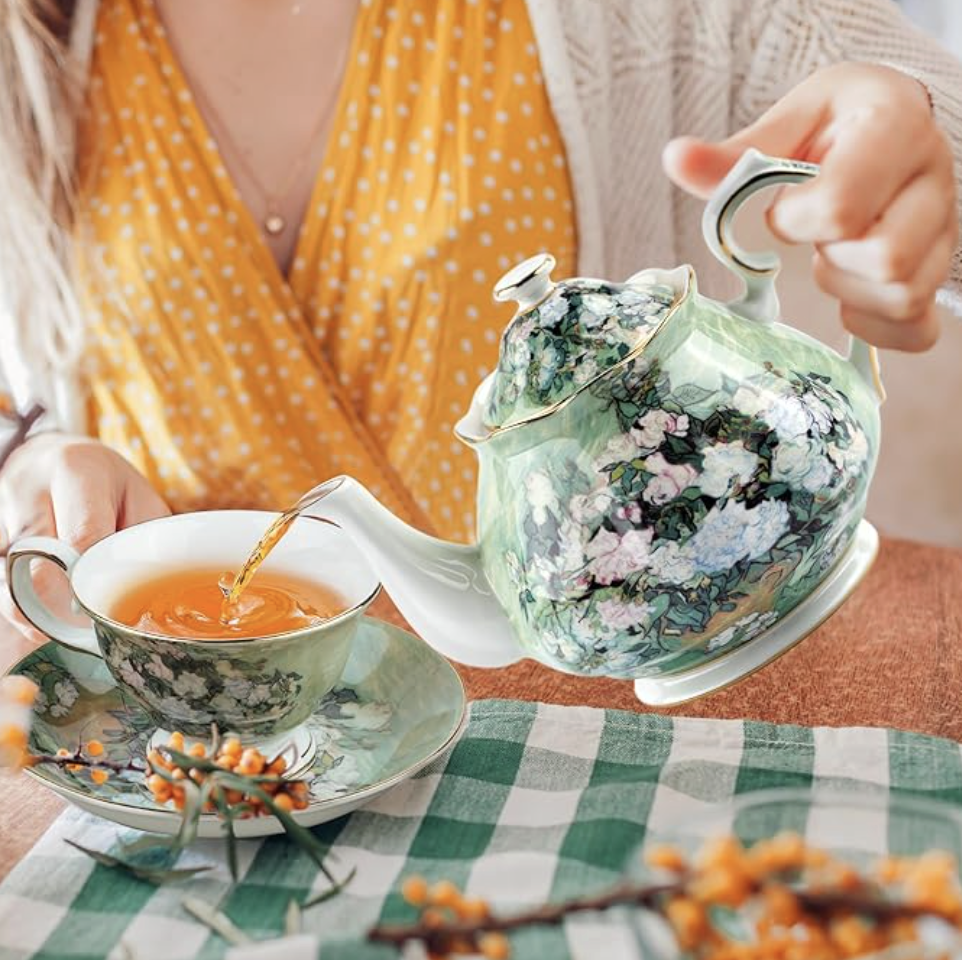
Another beautiful choice is the Vangogh Paintings European Style Porcelain, $35.99
A Glass Carafe (for Water, Always)
There is something quietly civilizing about a carafe left on the table or bedside — an invitation rather than a reminder.
A simple, quietly luxurious option:
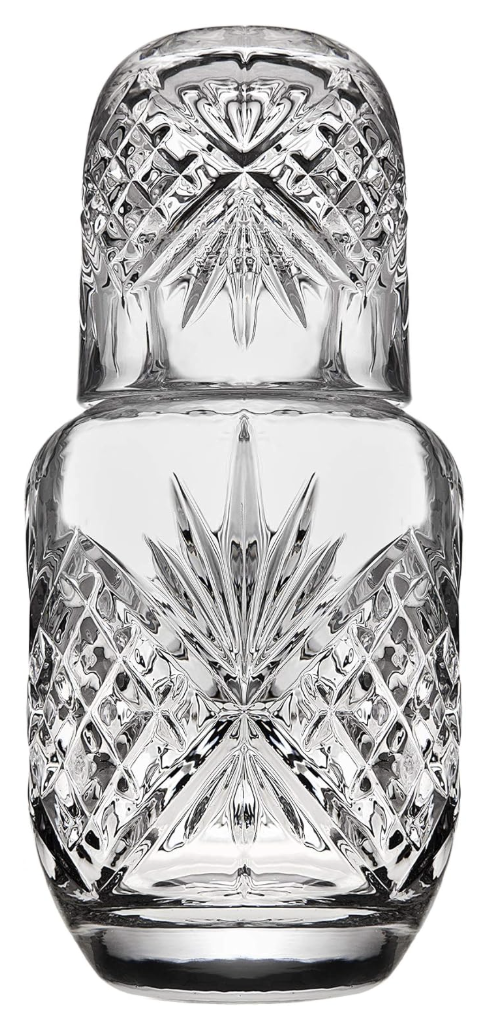
A more retro aesthetic, but still and elegant and understated Bedside Water Carafe with Cup And Glass Set, $22.99
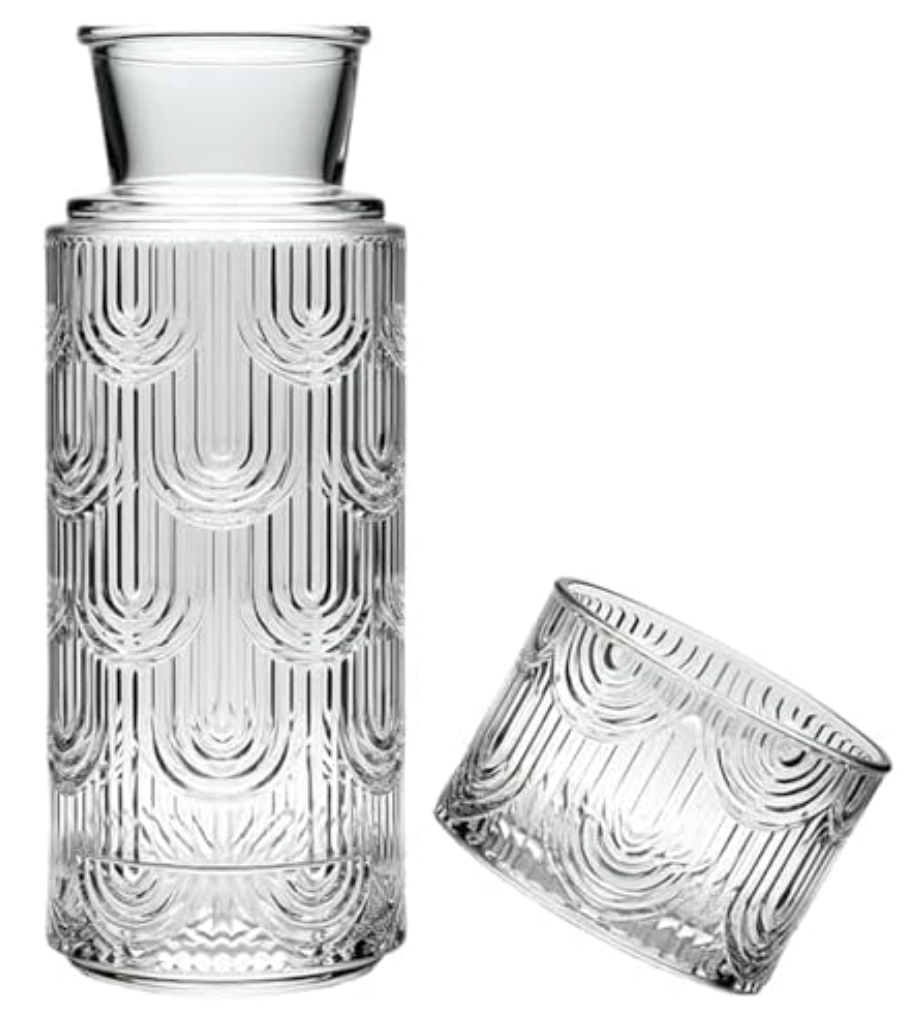
It holds just enough, cleans easily, and looks right in nearly every room.
Objects that move easily between spaces tend to last.
Curtains That Soften the Room
Curtains do more than block light. They shape how a room rests.
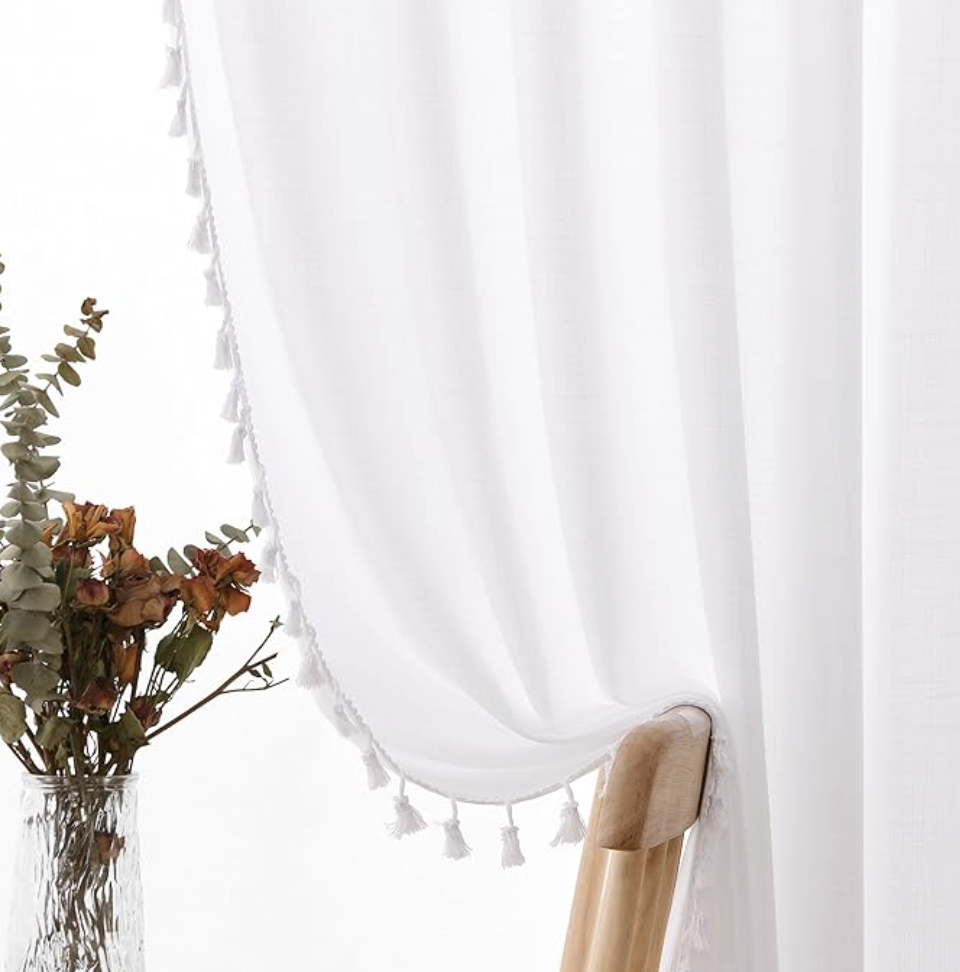
Sheer curtains (for daytime)
Sheers diffuse light without dimming it, making even ordinary rooms feel gentler.
Velvet curtains (for evening)
Velvet adds warmth and quiet weight, particularly in bedrooms and sitting rooms.
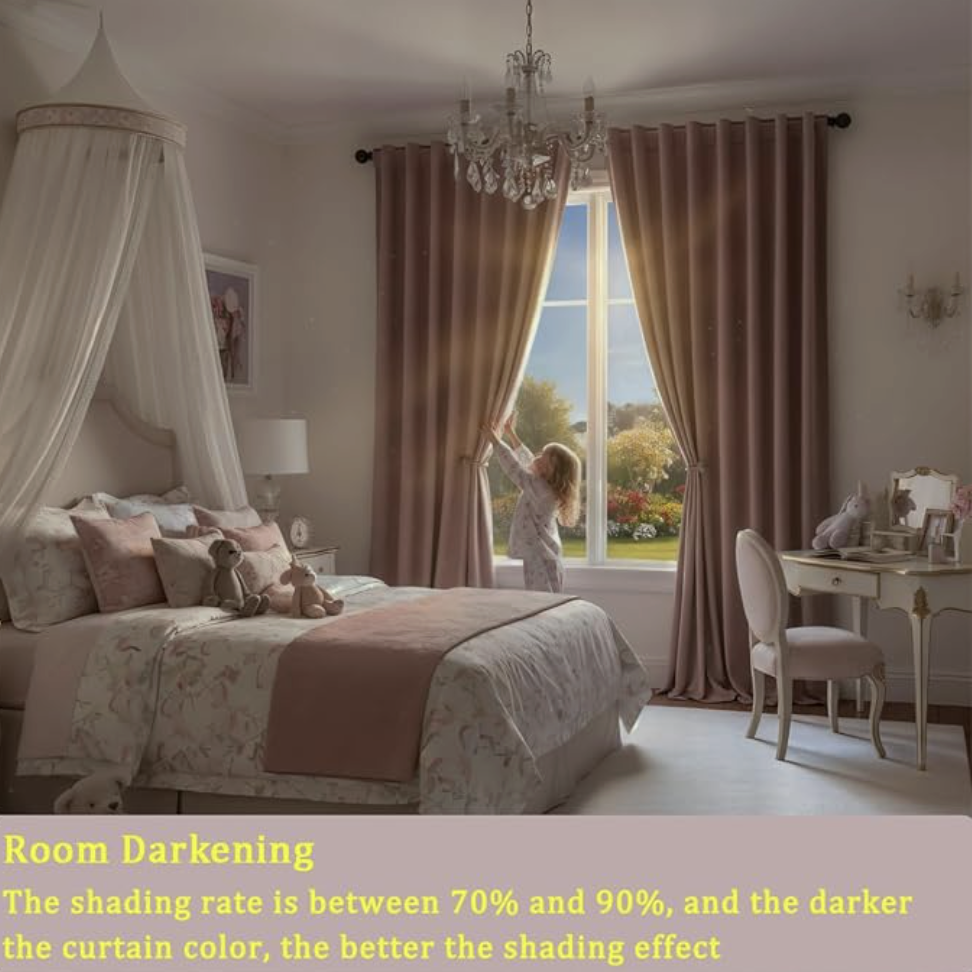
Together, they allow the room to change naturally from day to night.
A Double Curtain Rod (in Gold)
Layered curtains require a rod that does not announce itself too loudly.
Gold works best when it is soft rather than shiny.
A good option, that I have installed in my own bedroom:
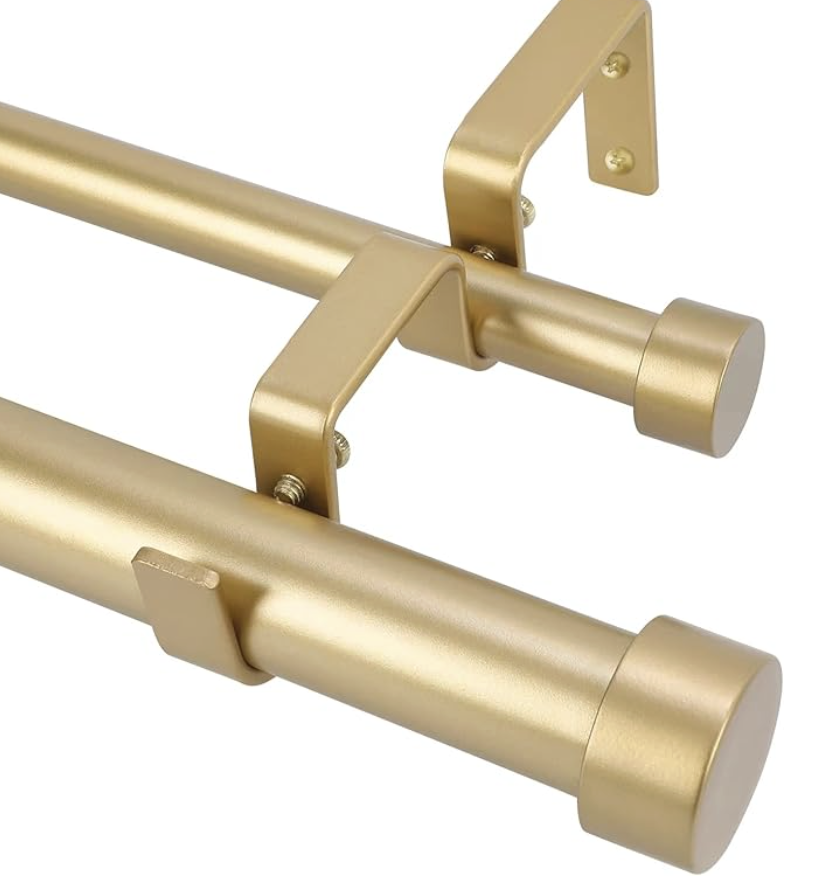
This is the kind of infrastructure piece that disappears once installed — which is exactly what you want.
Bedside Lamps That Behave Well
A bedside lamp should be easy to operate in the dark, gentle in its light, and useful without clutter.
Look for:
touch-sensitive control
built-in USB charging
a warm glow
A reliable, modern choice that’s still elegant and old-world:
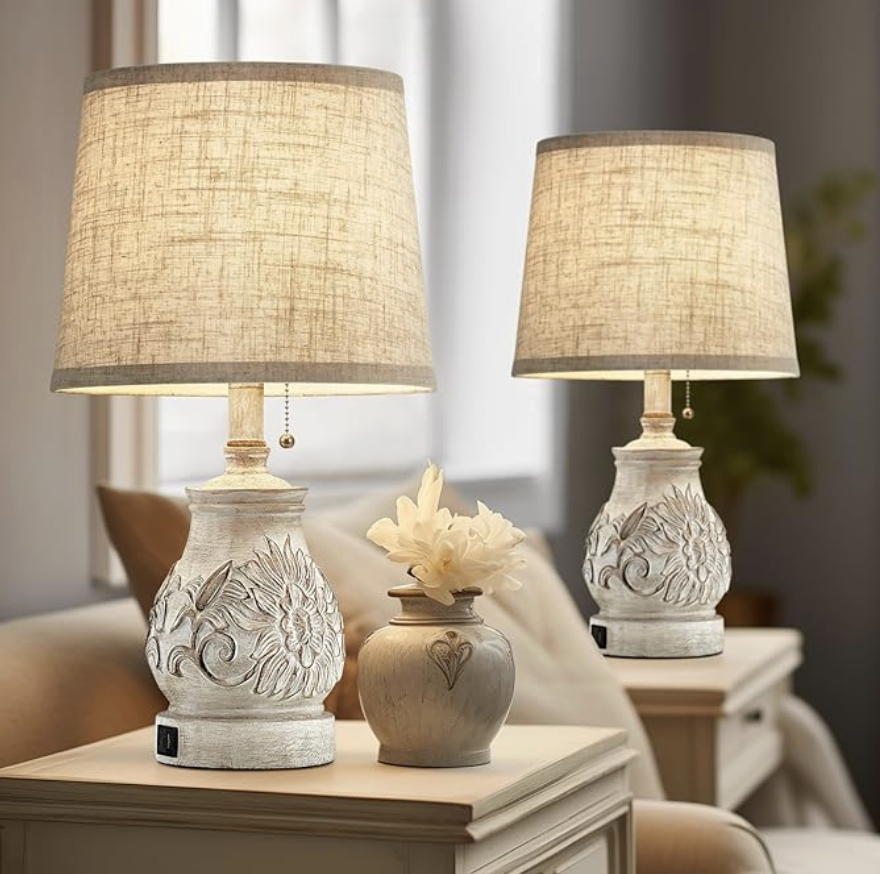
Good lamps reduce friction. They make evenings feel calmer without asking for attention.
If you’re building a layered bed, this pairs well with How to Make an English Cottage Bed.
A Faux Olive Tree (Chosen Honestly)
There is no shame in a well-made faux plant. The point is not botanical purity; it is ease.
A faux olive tree works particularly well because it reads architectural rather than decorative.
My favorite option - I’ve placed three of these in my home for a broader Mediterranean feel:
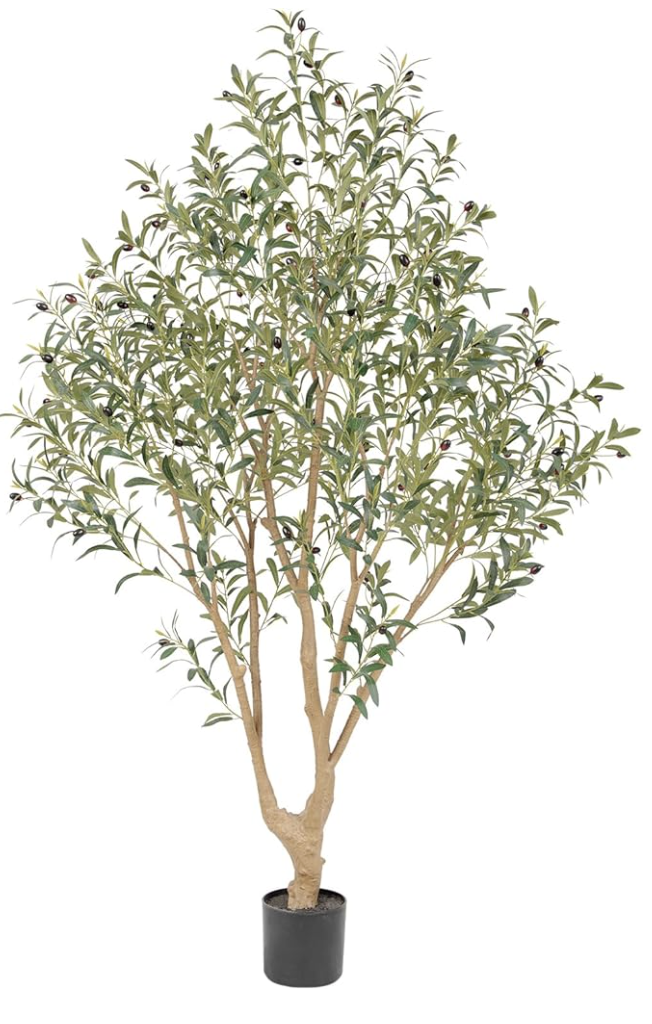
Place it where a real plant would struggle. Let it be quiet.
A Note on Joyful Objects
Choosing fewer things does not mean choosing joyless ones.
The objects that last tend to:
do their job without fuss
age gracefully
feel slightly better than necessary
They are not constantly replaced. They are lived with.
If this approach resonates, The Few Tools Worth Keeping in a Kitchen explores the same idea from another angle.
The Quiet Outcome
When you choose fewer things carefully:
rooms feel easier to maintain
decisions become simpler
attention returns to living rather than managing
This is not minimalism as performance.
It is restraint as kindness.
Choose what stays.
Let the rest go.
